

Why we love anti-heroes like Loki and Cruella, explained by an expert - haynesshols1954
Why we love opposed-heroes, explained past an skilful
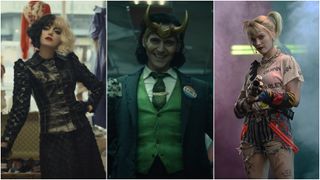
Cruella, Loki, Boba Fett, the Suicide Squad – what do they every last have in vernacular, aside from excellent style penchant? They'Ra all anti-heroes, not-quite an-good-guys, grabbing the spotlight in 2021. In fact, we're seeing a staggering sum of money of these characters directing projects – whether in movies or TV series.
But what makes U.S.A love them so much? Why do we want to lookout man the origins of a puppy killer? Or bat for Batman's nemesis? We spoke to an skillful to find out some our current love-affair with the outlaw.
What is an anti-hero?
First, let's vindicated astir exactly what an anti-hero is. "Anti-heroes are, technically, characters who occupy the noesis positioning of champion merely incline to be morally compromised or, occasionally, are outright immoral in their interests and actions," Dr. Aaron Taylor, a Board of Regulator's Research Chair and Associate Professor in the Dramatic play Section at the University of Lethbridge, explains. Harley Quinn in Birds of Raven is a model – unlike traditional heroes, she thinks nothing of lobbing grenades and cracking skulls, yet Harley's positioned as the protagonist.
What differentiates an anti-hero against a villain, then? "The villain should be considered arsenic the theatrical role whose function is to interfere with the goals of the protagonist," Dr. Taylor says. That mightiness seem wish semantics, but IT's an important distinction: basically, anti-heroes are main characters, and the villains are whoever is trying to stop them, no matter how good or bad either are.
The age of anti-heroes
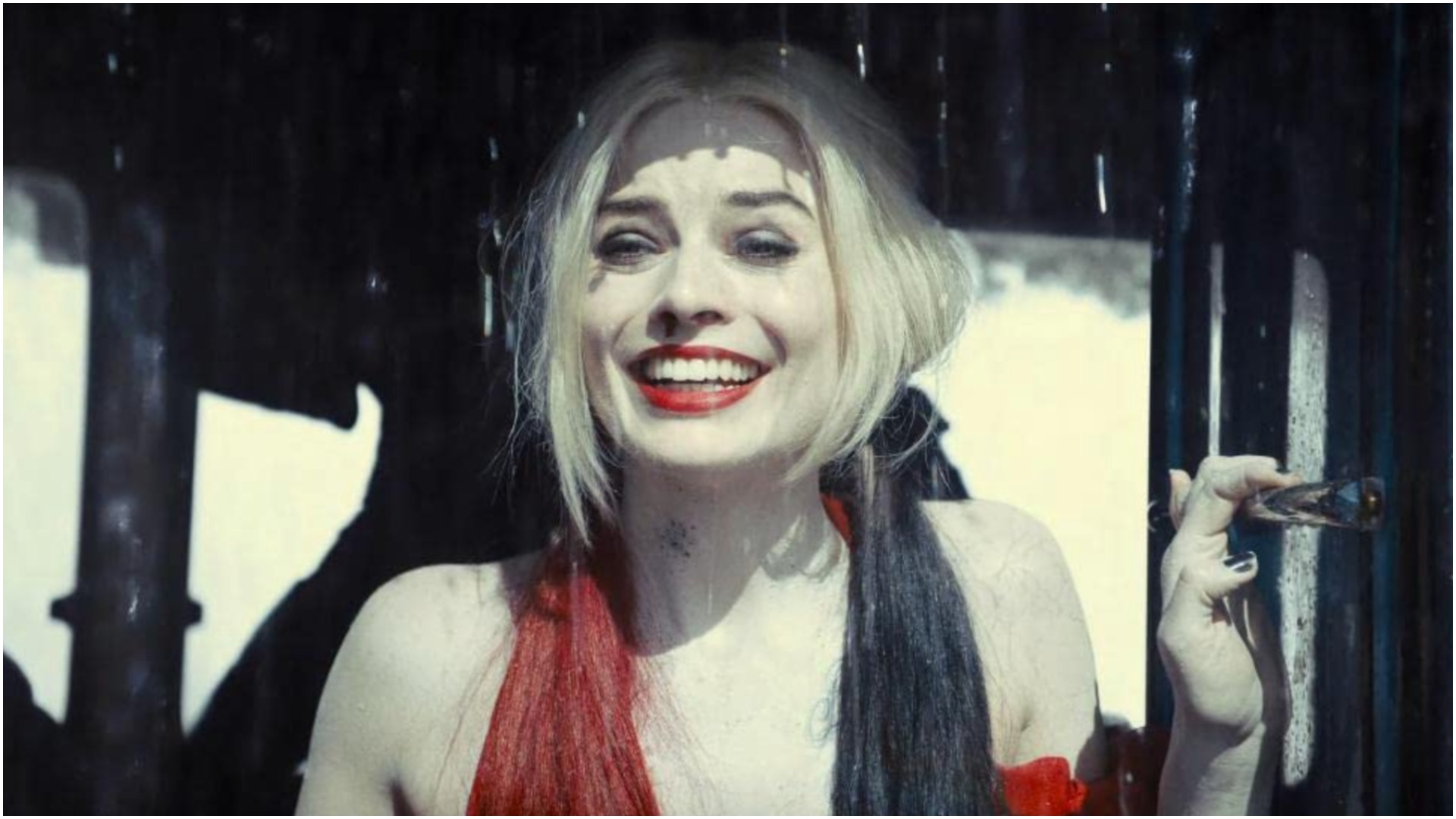
Movies and TV shows about morally dubious protagonists are much frequent now than ever. This year alone, we have Emma Chromatic as the dastardly Cruella, Loki headlining his ain Disney Summation series, Boba Fett blasting back onto the pocket-sized cover this December, Harley Quinn reverting in The Suicide Squad, and Eddie Brock's symbiote leading Maliciousness 2. Even the man who broke the Avengers, Zemo, has turn an unannounced fan-favorite thanks to The Falcon and the Winter Soldier.
The anti-hero has long been a staple fibre of on-screen entertainment – Dr. Taylor points to shows like Breaking No-good and The Sopranos as earlier examples of this rather reference – in time they paved the agency for the occurrent inflow. Likewise, the success of 2019's Turkey showed an appetite for more, and Cruella has already been likened to Joaquin Phoenix's film.
What's also noticeable about this twelvemonth's rotten batch is they are primarily returning baddies who fans already recognize and… love. Which whitethorn seem odd, but being enchanted by a devil ISN't quite an as simple as identifying with them.
"Many theorists and philosophers contend that attraction is non the unvaried affair as sympathy (or empathy for that topic). So, we may constitute 'attracted' to a villain surgery anti-hero, but that doesn't mean we privation them to follow OR endure their values, beliefs, and/or actions," Dr. Taylor explains. "Attraction is taken to serve as a form of captivation, and this captivation can be directed to any number of qualities: their exoticism, charisma or pizzaz, horse sense of humour, evil word, or other 'not-need' traits – including the skill or craft by which an actor brings to the stylistic formula of their behaviour."
If you determine yourself a fan of an unscrupulous character, then, IT's probably not because you check with them and more liable that you find them interesting OR love the worker's carrying into action.
I'm the baaaaaaad ridicule, duh
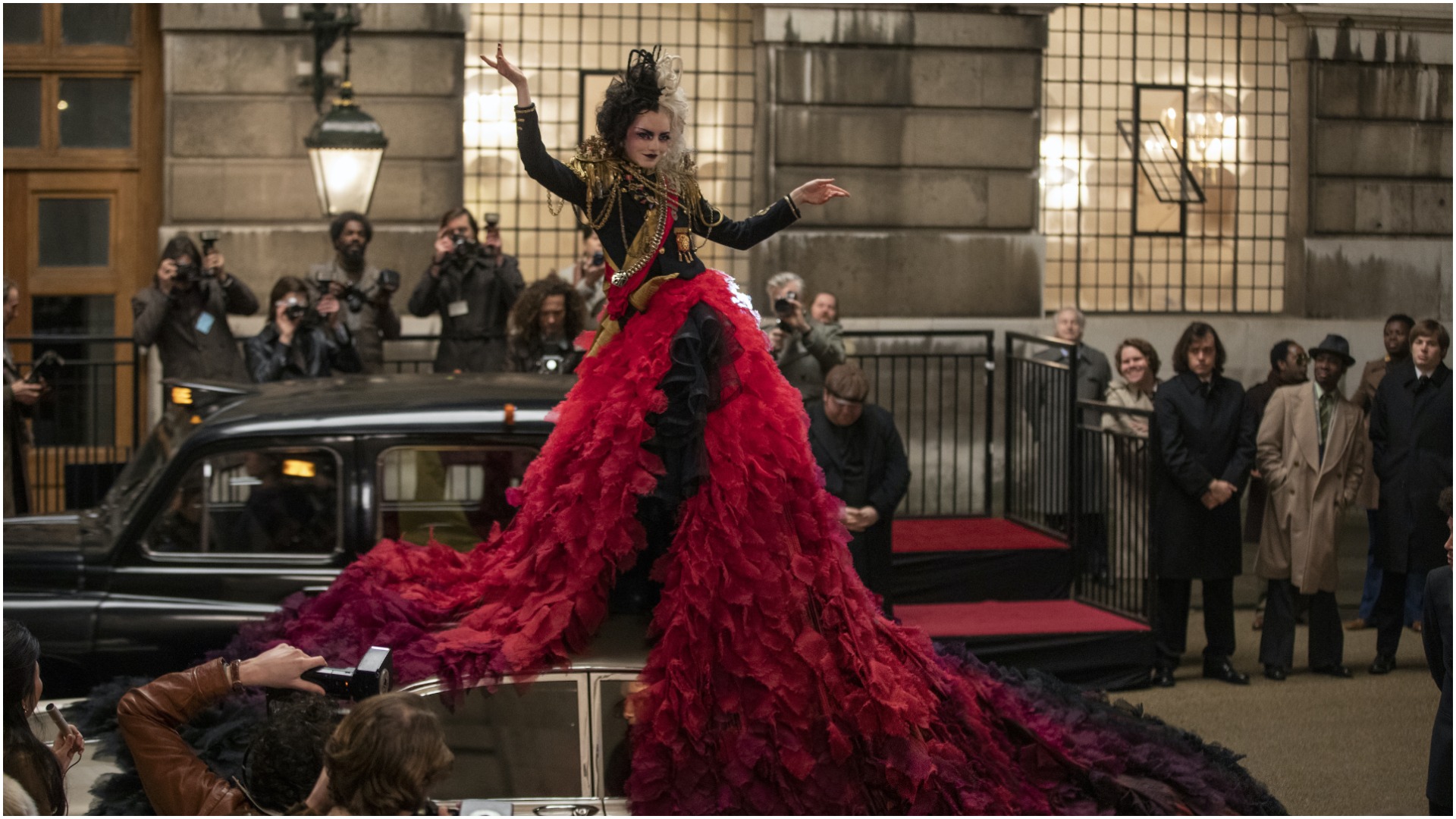
Dr. Taylor also explains that sometimes the story itself is set up to explain or excuse the anti-hero's behavior, signification "even if we don't outright sympathize entirely with a low-down frien, the idea is that we may better understand their actions, Oregon perhaps even empathize with them (i.e., envisage belief the right smart they practise or holding the values they view as)." Cruella, for instance, clashes with Emma Homer A. Thompson's Baroness, and their kinship goes some means to justify Estella-turned-Cruella's inevitably immoral actions. Or seem at Break Bad and the countless times Bruno Walter White's outrageous behavior was rationalized.
Dr. Taylor points impermissible that flavor "sympathy, empathy, enchantment, or a fuse of these things" for an anti-hero makes us feel good, which can make the character more likeable. "Whether OR not these pleasurable feelings can or do override our moral judgment (i.e., we overlook, make excuses for, or Sir Thomas More fully understand their 'bad' behavior) is a very old philosophical debate," He says. "But antiheroic narratives deliberately summo or dramatise this dilemma!"
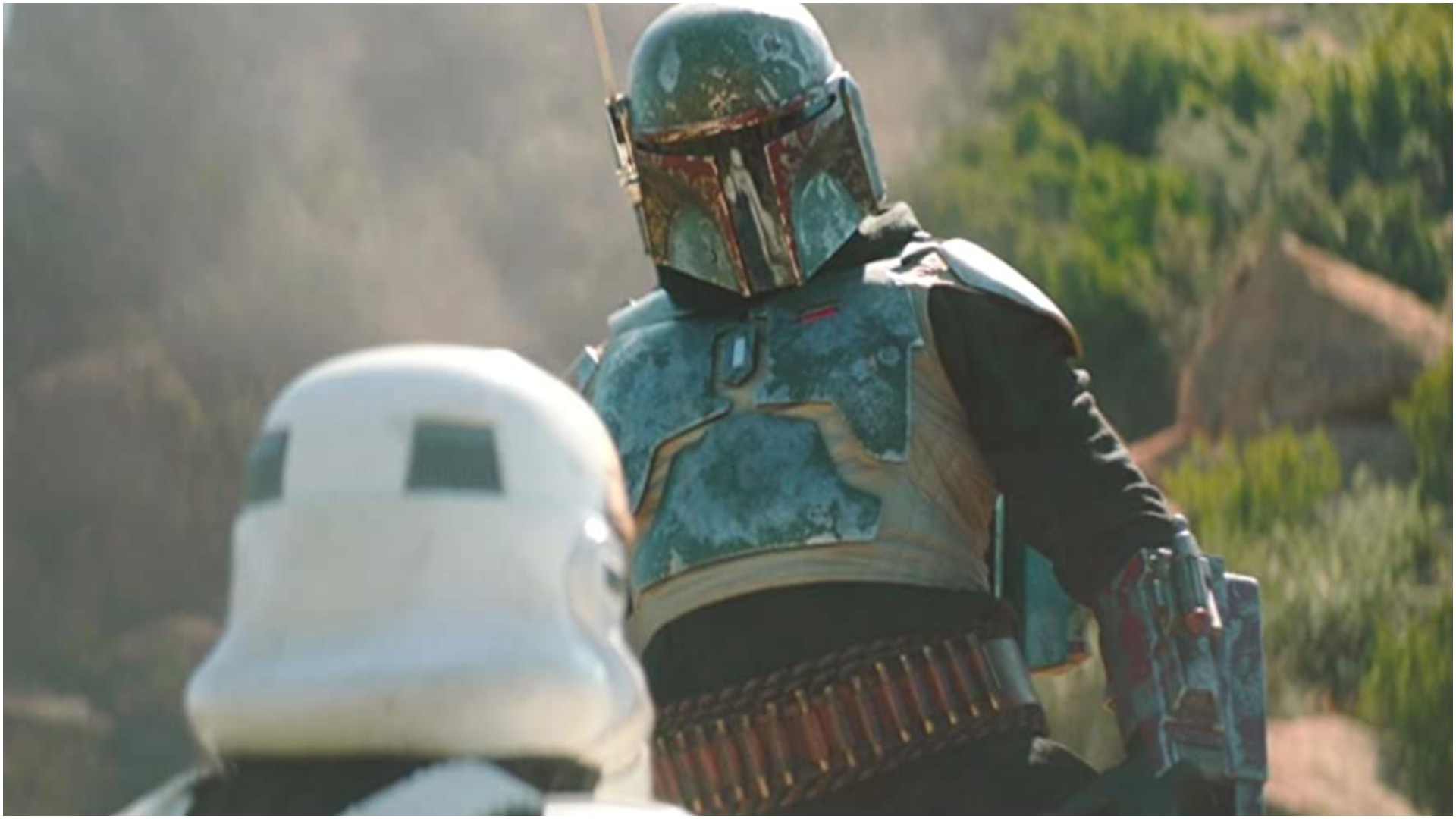
Narration structure has something else to do with the opposing-Hero's appeal, too. We normally root for a protagonist out of habit, equally steer characters are normally virtuous. "To avoid familiarity facts of life contempt (that is, actively disliking morally compromised protagonists the yearner we drop with them), authors will strategically blend morally virtuous traits that slimly mitigate against operating room 'dull' the bad ones," Dr. Taylor continues. Think Boba Fett helping Mando rescue Baby Yoda, or Harley teaming astir with Black Sneak to save Cassandra Cain.
Good vs. evil
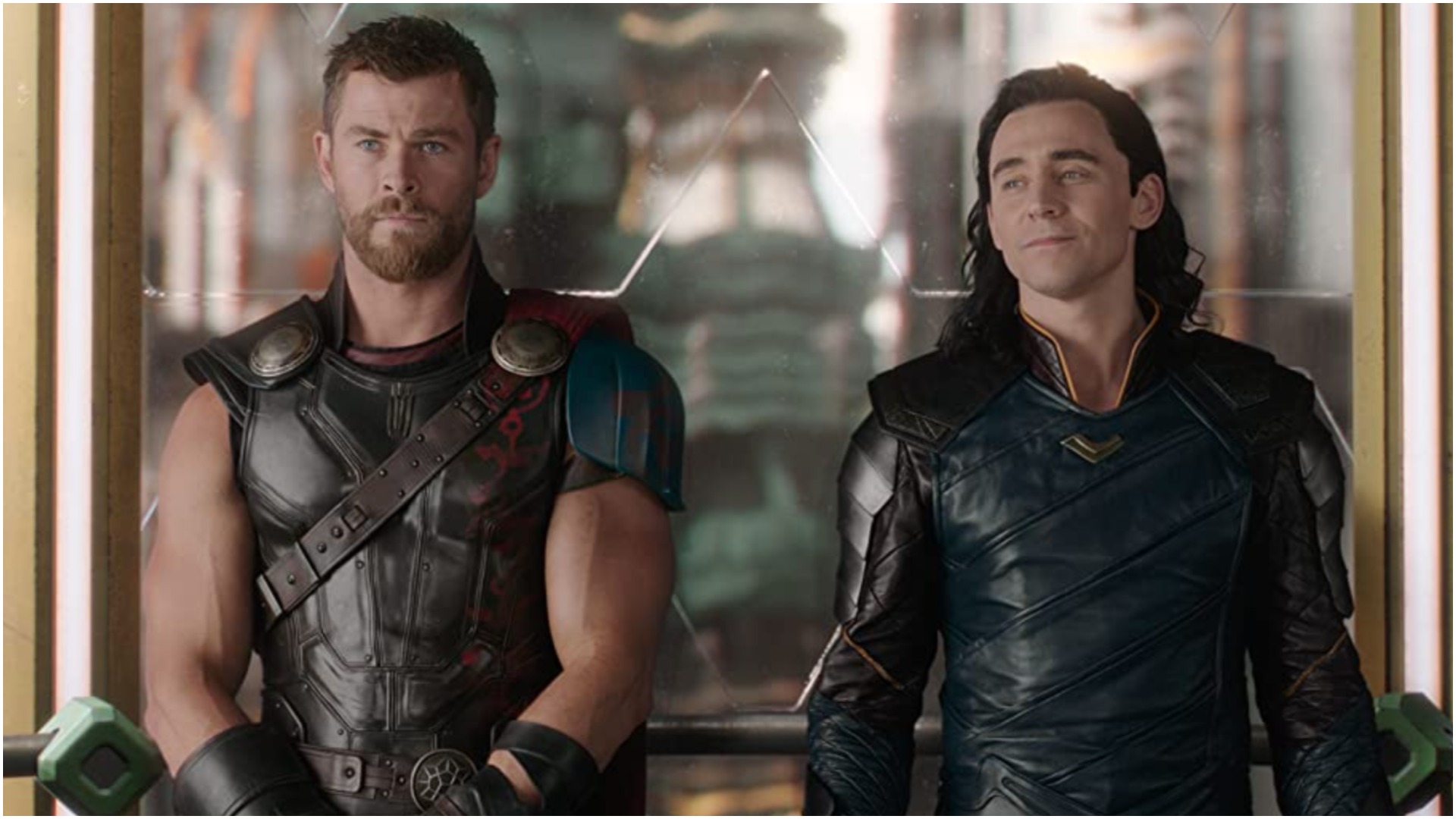
Of line, our appetency for conventional heroes is clearly still strong. The Wonder Medium Cosmos and the DC Extended Universe are, afterward all, built along the shoulders of through-and-through acceptable guys. There's clearly room for both archetypes – and they might even require each other.
Dr. Taylor negotiation about how more desperate characters can emphasize surgery critique an opposing-hero's immorality, and uses the example of Deadpool and the more virtuous X-Men member Colossus. He explains that, spell Deadpool serves to poke fun at Colossus' rigid morality, if Colossus wasn't there as a foil keeping Deadpool (kind of) in check, we might end upfield acquiring tired of Deadpool's antics since he doesn't have that blend of morally good and bad doings. This fanny be seen in otherwise movies and TV shows: The Suicide Team motive Rick Flag, the Punisher needs Daredevil, and Loki needed Thor (or, likely, Owen Wilson's Mobius in the new series). We can flatbottom go one step further: without time-honoured black-and-white, good vs. evil stories, we could arrive sick anti-fighter tales – and frailty versa, where without whatever morally compromised protagonists, we get bored of seeing heroes simply save the day.
So, while this year sees plenty of unsavory characters given the spotlight, the traditional hero vs. villain communicative is standing popular. There are understandably plenty of reasons that ingredien into our love of the anti-Heron, from narrative structure to being just plain interested in their inclined ethical motive. What's more straightforward, though, is that we'Ra living done the age of the anti-hero – and it's not sledding away anytime soon.

I'm a freelance Entertainment Writer here at GamesRadar+, covering all things film and TV for our Total Movie and SFX sections. I previously worked on the Disney magazines team at Present Media, and also wrote on the CBeebies, MEGA!, and Lead Wars Galaxy titles after getting my BA in English people.

Source: https://www.gamesradar.com/anti-hero-movies-shows-loki-cruella-expert/
Posted by: haynesshols1954.blogspot.com
0 Response to "Why we love anti-heroes like Loki and Cruella, explained by an expert - haynesshols1954"
Post a Comment